The Arizona sun dictates how comfortable your house feels during the summer. You need the right window treatments to stop the heat before it bakes your living space and drives up your air conditioning bills. Choosing between solar shades vs blackout shades comes down to one specific detail: what you need the room to do.
Solar shades block UV rays and heat while keeping your view of the outdoors intact. Blackout shades stop all sunlight from entering the room to provide total darkness and absolute privacy. Both options perform exceptionally well in desert climates, but they belong in very different parts of your house.
Solar Shades vs Blackout Shades: The Core Differences
The fundamental difference between these two window treatments is the fabric.
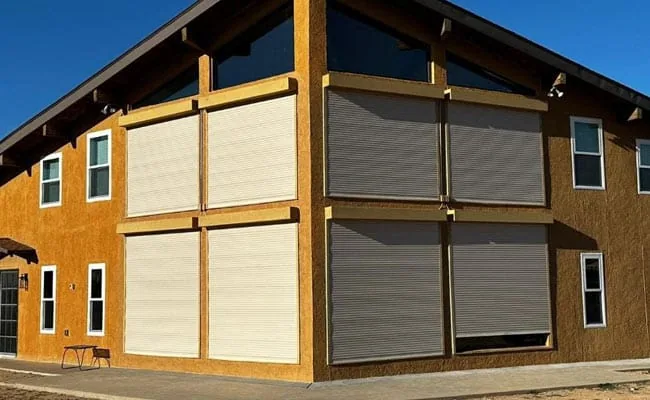
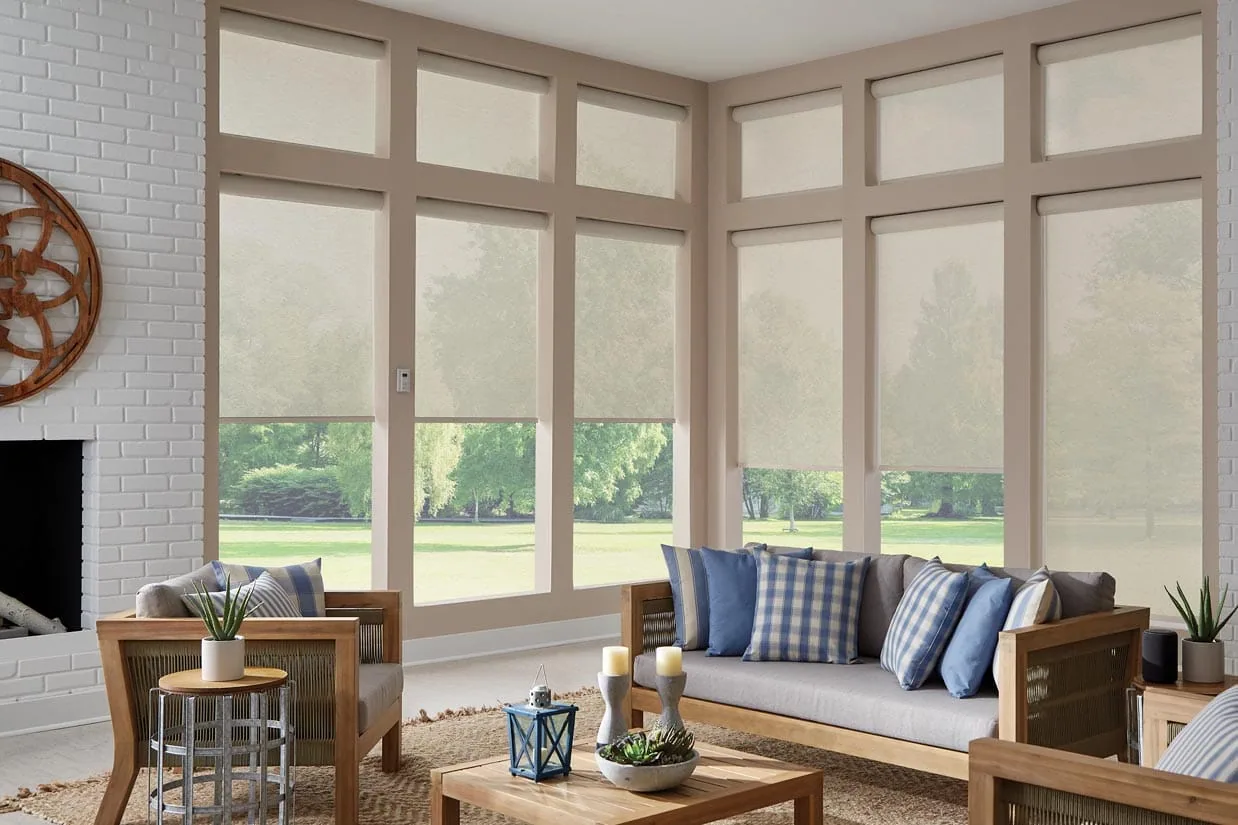
Solar shades use a woven mesh material. This mesh acts like a pair of sunglasses for your windows. It filters incoming UV rays, reduces glare on your television screens, and stops solar heat gain from transferring through the glass. Because the fabric is woven, you can still see outside when the shades are pulled down.
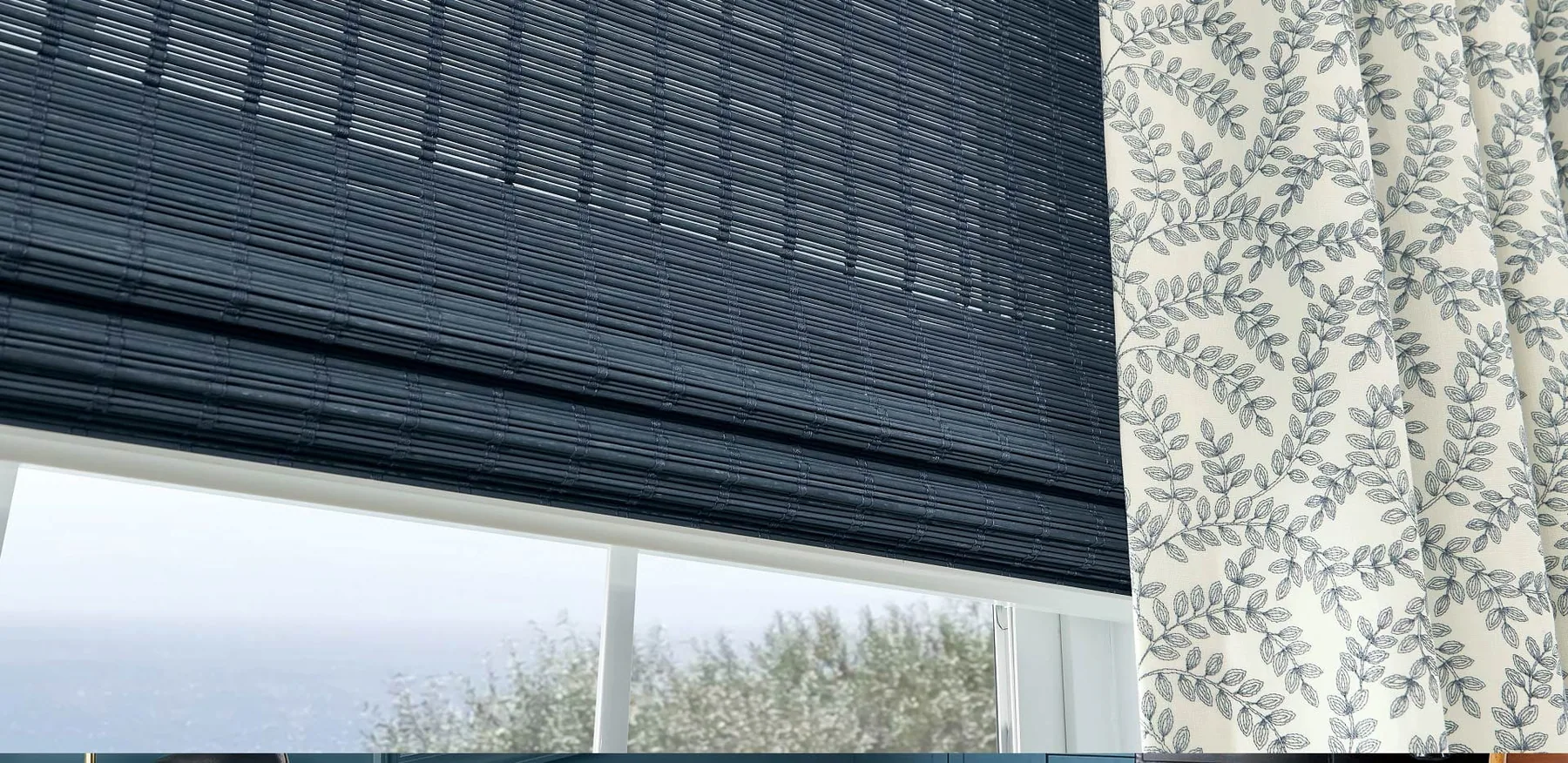
Blackout shades use an opaque, solid fabric. Light cannot penetrate the material. When you roll them down, the room goes completely dark. You lose your view of the outdoors entirely, but you gain absolute privacy and complete light control.
When to Choose Solar Shades in Mesa AZ
Solar shades are the standard choice for living rooms, kitchens, dining areas, and home offices. If your home features large west-facing windows or expansive sliding glass doors, solar shades Mesa AZ installations keep these rooms cool without making them feel like a dark cave.
The most important detail to understand about solar shades is the openness factor. This percentage tells you how tightly the fabric is woven and exactly how much light passes through.
- 1% Openness: Blocks 99% of UV rays. This provides excellent heat control, but the view outside is heavily muted.
- 3% Openness: The standard choice for most Arizona homes. This weave balances crisp outward views with highly effective heat rejection.
- 5% Openness: Offers a much clearer view. This is better for north-facing windows that do not take direct afternoon sun.
- 10% Openness: Provides maximum visibility while offering the least amount of heat protection.
There is one major trade-off you must plan for with solar shades. The privacy effect reverses at night. During the day, you can see out and your neighbors cannot see in. At night, when it is dark outside and your interior lights are turned on, people outside can see straight into your home. You should never use solar shades in bathrooms or bedrooms unless they are paired with a secondary window treatment.
When to Choose Blackout Shades Mesa AZ
Bedrooms, nurseries, and media rooms require a different approach. If you work night shifts and sleep during the day, solar shades will not block enough light to keep you comfortable. You need blackout shades.
Blackout fabrics feature a built-in opaque liner that stops 100% of light transmission. This makes them exceptional for temperature control. By stopping the sunlight completely, they prevent radiant heat from warming up your interior air. Many homeowners choose blackout shades Mesa AZ installations with a white street-facing backing to comply with HOA rules and reflect heat outward.
However, a standard blackout shade will have a small light gap on the sides. The fabric cannot scrape directly against the window frame, so manufacturers leave a tiny clearance gap for the roller mechanism. Light will bleed through this edge. If you need absolute, pitch-black darkness for a home theater or nursery, you must add side channels. Side channels are metal tracks installed directly onto the window frame. The shade fabric slides securely inside the tracks to block the edge light completely.
The Best of Both Worlds: Dual Roller Shades
Many homeowners want daytime views and nighttime privacy in the exact same room. A dual roller shade system solves this problem without forcing you to compromise.
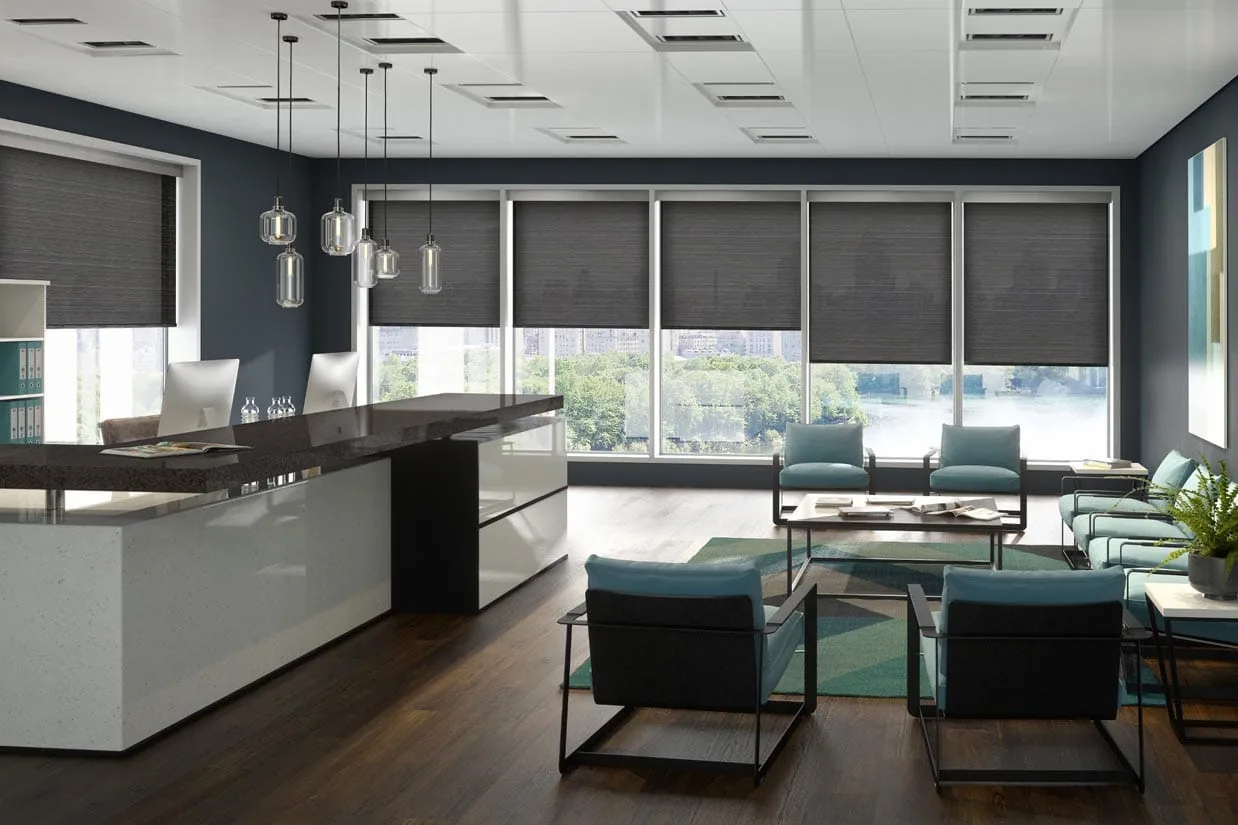
We install a single specialized bracket that holds two separate shade rollers. The top roller holds a blackout fabric. The bottom roller holds a solar mesh. You pull the solar shade down during the morning to block the glare while enjoying your coffee. At night, you pull the blackout shade down to secure your privacy. This setup requires a slightly deeper window sill for mounting, but it delivers the exact function you need at any time of day.
Manual vs Motorized Operation
Manual shades use a continuous cord loop or a cordless spring system to raise and lower the fabric. They are reliable and cost-effective. But modern Arizona architecture often features large windows and tall sliding doors that require very wide, heavy shades. Pulling a ten-foot shade by hand every day becomes a chore.
Motorized shades operate with a battery wand, rechargeable motor, or hardwired electrical connection. You control them with a remote, a wall switch, or an app on your smartphone. Motorization allows you to program daily schedules. You can set your west-facing shades to drop automatically at 2:00 PM every day during the summer. This protects your furniture from fading, blocks the peak afternoon heat, and keeps your air conditioning bill down even when you are not home to adjust them.
Cleaning and Maintenance
Desert dust accumulates on everything. Fortunately, both shade styles are easy to maintain.
Solar shade mesh is highly durable. You can wipe it down with a damp sponge and a mild soap solution to remove dust or smudges.
Blackout shades require a gentler touch. You should dust them regularly with a feather duster or the soft brush attachment on your vacuum. You cannot soak blackout fabrics or scrub them aggressively, as this can damage the opaque backing that blocks the light.
Costs and Installation Timelines
Custom window treatments fit your exact window measurements, ensuring a clean look and proper heat sealing. A high-quality manual roller shade typically costs between $150 and $400 per window. The final price depends entirely on the exact width, height, and specific fabric you select.
Motorization adds between $150 and $350 per shade. This cost varies based on whether you choose a basic remote-controlled battery motor or an advanced smart motor that links directly to your home automation system.
Once our team measures your windows and places the custom order, manufacturing takes about three to four weeks. Installation for an entire house typically takes just one day.
Ready to Talk Through Your Project?
Our licensed crew (AZ ROC# 342935) measures on site across Mesa and the Phoenix area and walks you through every option in person.
Frequently Asked Questions
No. The visibility reverses at night. If it is dark outside and you have lights on inside your house, people can see through the mesh. You need blackout shades or dual shades for nighttime privacy.
Ready to Talk Through Your Project?
Our licensed crew (AZ ROC# 342935) measures on site across Mesa and the Phoenix area and walks you through every option in person.