Ordering new blinds or plantation shutters feels simple until the homeowners association sends a violation notice. Before you spend money on custom shades, you must verify the HOA rules for window coverings in Phoenix, AZ. Most planned communities regulate anything visible from the street to maintain a uniform neighborhood appearance. Replacing non-compliant blinds costs thousands of dollars. Finding and understanding these rules takes just a few minutes if you know exactly where to look.
Where to Find HOA Window Covering Restrictions
Your community rules live in two specific documents. You received these during escrow, but they are also available through your community portal or property management company.
The CC&Rs The Covenants, Conditions, and Restrictions document acts as the legal rulebook for your neighborhood. Search the document for sections labeled "Architectural Control", "Use Restrictions", or simply "Window Coverings". This document outlines the broad rules you agreed to when buying the home.
Architectural Guidelines and Rules Many communities publish a secondary document specifically for architectural guidelines. This packet contains the actual details you need. It specifies allowed materials, banned materials, and exact color requirements. If your CC&Rs say that all window treatments must be approved by the committee, the architectural guidelines tell you exactly what the committee approves.
The Standard Rule: Street-Facing White Backing
If you live in a regulated Phoenix neighborhood, you will almost certainly face the white backing rule. This rule dictates that any window treatment visible from the street must appear white or off-white from the outside. The goal is to keep the neighborhood exterior looking cohesive, rather than displaying a patchwork of red curtains, dark wood blinds, and patterned shades.
You do not have to buy white blinds for your interior. Window treatment manufacturers build products specifically to solve this problem.
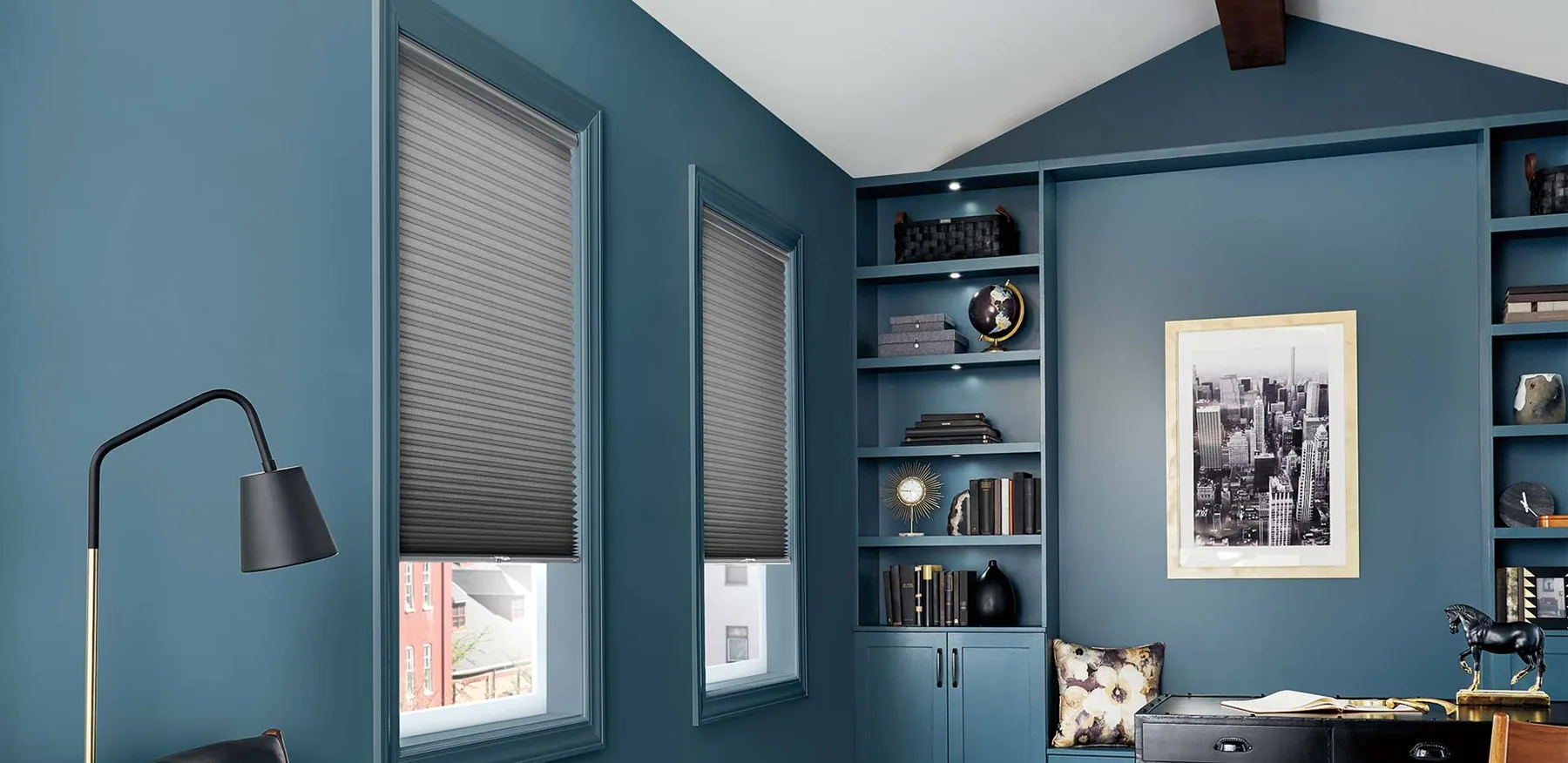
Cellular Shades Most cellular shades feature a white exterior fabric on the back, regardless of the interior color. You can choose a dark gray or vibrant blue for your bedroom, and the street-facing side remains bright white.
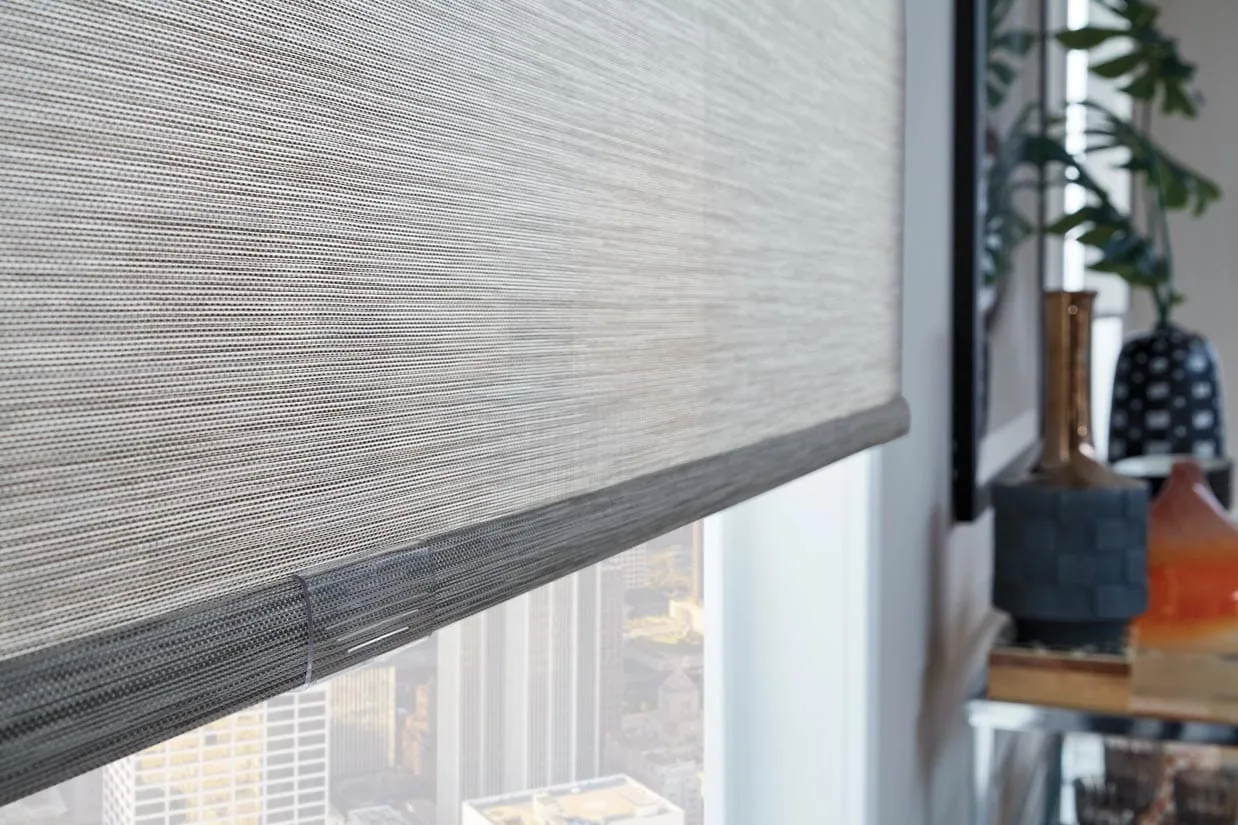
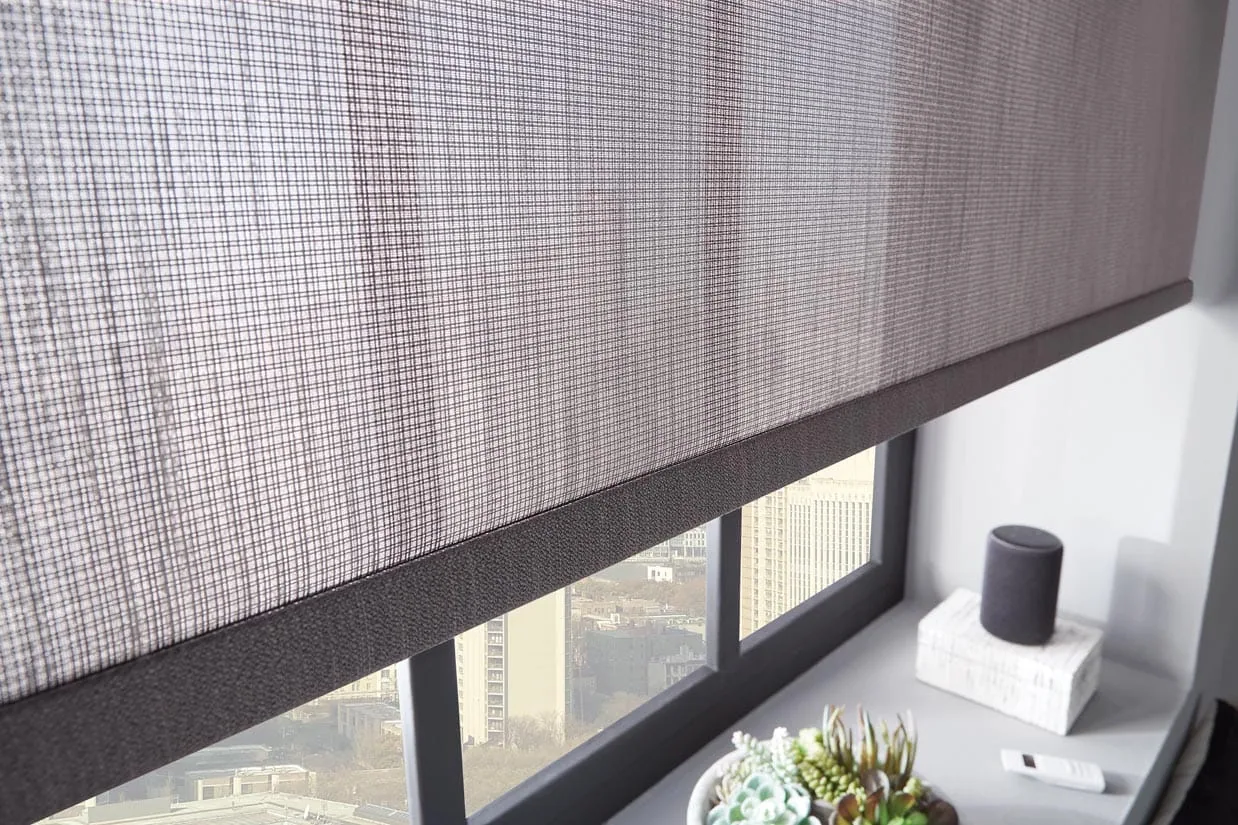
Roller Shades Standard roller shades display the same color on both sides. To meet HOA requirements, you must order roller shades with a custom white backing or a dual-shade system. A dual system places a white light-filtering shade near the glass and your decorative shade facing the room.
Plantation Shutters Shutters are solid wood or composite. If you want stained wood inside but the HOA requires white outside, you need custom painted shutters. This is rare and expensive. Most homeowners opt for white or off-white shutters throughout the house, which universally pass architectural review.
Move-In Timelines and Temporary Coverings
Phoenix HOAs give new homeowners a strict timeline to install permanent window treatments. The standard grace period runs between 30 and 90 days from your closing date.
During this window, you can use temporary paper shades. Temporary shades must be white. Never use bedsheets, blankets, aluminum foil, newspaper, or flags to cover your windows. Community patrols look for these materials and issue immediate warnings.
Custom window treatments take time to manufacture. Plantation shutters often require four to eight weeks for fabrication and delivery. You need to order your window coverings as soon as you close on the house to make sure they are installed before your HOA grace period expires.
HOA Approved Window Treatments
While every neighborhood has unique guidelines, some products consistently pass architectural review in Phoenix and Mesa.
Faux Wood Blinds White faux wood blinds with two-inch or two-and-a-half-inch slats are the standard in Arizona. They withstand high heat, resist warping, and meet the white-facing requirement automatically. They are the safest and most affordable choice for quick HOA compliance.
Composite Plantation Shutters Shutters add permanent value to the home and provide excellent insulation against the desert sun. Because they are typically white or off-white and look upscale, architectural committees rarely reject them.
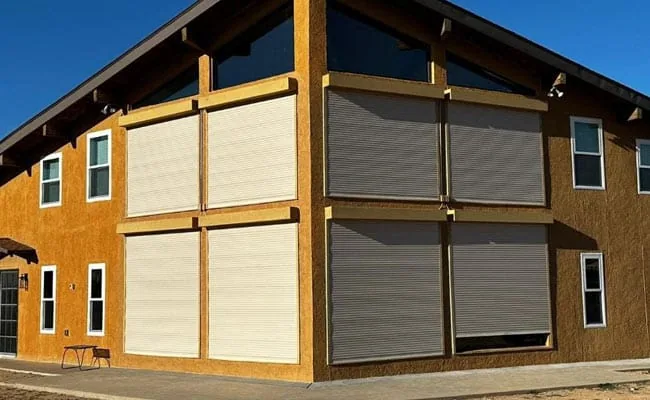
Exterior Security Shutters Rolling security shutters present a different challenge. Because they mount on the exterior of the house, they alter the architectural profile. Phoenix HOA window coverings rules usually require a full architectural committee review for exterior shutters. You will need to match the housing box and slats to your exterior stucco or trim color.
Window Coverings HOAs Usually Ban
Knowing what to avoid saves you from a rejected application. Most community guidelines explicitly prohibit specific items.
Reflective Window Film While tinting your windows helps with Arizona heat, mirrored or highly reflective films are almost always banned. If you want UV protection, you must use a non-reflective ceramic tint and pair it with an approved interior shade.
Bright Exterior Colors Dark brown, black, or brightly colored blinds that show through the glass will fail inspection. Even if the window is under a deep patio cover, if the community manager can see it from the sidewalk, it must comply.
Vertical Blinds Many modern communities restrict traditional PVC vertical blinds on front-facing windows. They are prone to breaking and can look unkempt from the street. Check your specific rules before ordering vertical blinds for a front-facing sliding door.
Exterior Solar Screens Exterior sun screens block heat before it hits the glass. However, HOAs heavily regulate them. You cannot screw cheap solar fabric to your window frames. You must use professional frames that match your window trim color exactly. Most communities cap the screen density at 80 percent or 90 percent and restrict the fabric colors to black, bronze, or dark gray.
Special Rules for Arched Windows and Sliding Doors
Standard windows are easy to cover, but specialty shapes introduce new compliance problems.
Front-Facing Arched Windows Many Phoenix tract homes feature a large arched window above the front door or in the master bedroom. You cannot tape paper shades or staple loose fabric into these arches. If you cover the lower portion of the window, you usually have to leave the top arch bare or install a custom-fit treatment like a sunburst plantation shutter or a stationary cellular arch. The material and color must match the treatment on the rectangular window below.
Sliding Glass Doors Sliding doors visible from the street or common areas fall under the same strict guidelines as standard windows. Vertical blinds are losing favor with architectural committees. Better compliant options include sliding bypass plantation shutters or vertical cellular shades. Both provide a clean, uniform white appearance to the outside while offering easy access to the door.
How to Submit Your Plan for HOA Approval
Do not skip the approval process. If your community requires an Architectural Review Committee (ARC) submission, follow these steps exactly.
Step 1: Get a Detailed Quote Schedule a consultation with a local window covering company. Ask the designer to specify the exact product name, material, and exterior color on the written quote.
Step 2: Submit the ARC Form Fill out your community architectural modification form. Attach the written quote. Some HOAs require physical fabric or material samples. Your window covering installer can provide these swatches.
Step 3: Wait for Written Approval Committees usually have 14 to 30 days to review applications. Do not sign a final purchase order for custom shades until you have the approval letter in your hand. If the committee rejects the color or style, custom manufacturers will not refund your money for an order already in production.
How to Speed Up Your HOA Approval Process
Waiting a month for approval delays your installation. You can shorten this timeline by submitting a perfect application on the first try.
Provide Physical Samples Do not just write "white faux wood blinds" on the form. Attach a physical slat from the manufacturer. Property managers deal with dozens of variations of white. A physical sample eliminates ambiguity and stops the committee from requesting more information.
Include Photographs Take a clear photo of the front of your house and circle the specific windows you plan to cover. If you are requesting exterior rolling security shutters, provide a mock-up showing the exact location of the housing box and guide rails.
Attend the Meeting Many architectural committees meet once a month in person or on a video call. Ask your community manager for the schedule and attend the meeting. You can answer questions on the spot rather than waiting for an email delay.
Penalties for Ignoring the Rules
If you install non-compliant shades, the HOA will send a notice to cure the violation. You typically have 14 to 30 days to remove the offending window treatments.
If you refuse, the HOA will assess fines. These fines often start at $50 or $100 and escalate monthly. The HOA has the legal authority to place a lien on your property for unpaid fines. You will end up paying for the wrong shades, paying the HOA fines, and paying again for the correct shades.
Ready to Talk Through Your Project?
Our licensed crew (AZ ROC# 342935) measures on site across Mesa and the Phoenix area. We know exactly what local HOAs look for and will walk you through every compliant option in person.
We bring the samples to your living room so you can match colors and materials accurately. We also provide the detailed paperwork you need for your architectural committee submission.
Book a Consultation online or call us at (480) 262-4891 to get a firm, written quote.
Frequently Asked Questions
Rules vary by community. Most HOAs only regulate windows visible from the street, common areas, or the golf course. If a window sits behind a six-foot block wall and cannot be seen from outside your property line, the HOA usually has no jurisdiction over what you put in it.
Ready to Talk Through Your Project?
Our licensed crew (AZ ROC# 342935) measures on site across Mesa and the Phoenix area and walks you through every option in person.